Buying a home in Frankfort is exciting, but the home inspection can feel like the most stressful part. You want to know what you are really buying, how serious any issues are, and what to negotiate without risking your deal. A clear plan makes the process smoother and helps you protect your investment.
This guide walks you through what a standard Illinois home inspection covers, common Frankfort and Chicago Southland findings, timelines, costs, and smart negotiation steps. You will learn how to prepare, how to read the report, and which specialty tests to consider. Let’s dive in.
What a standard inspection covers
A standard home inspection follows common industry Standards of Practice, such as those published by ASHI or InterNACHI. Inspectors evaluate the home’s major systems and visible components. Typical areas include:
- Structural components: visible foundation, basement walls, framing, and floors for signs of settlement, significant cracks, or movement.
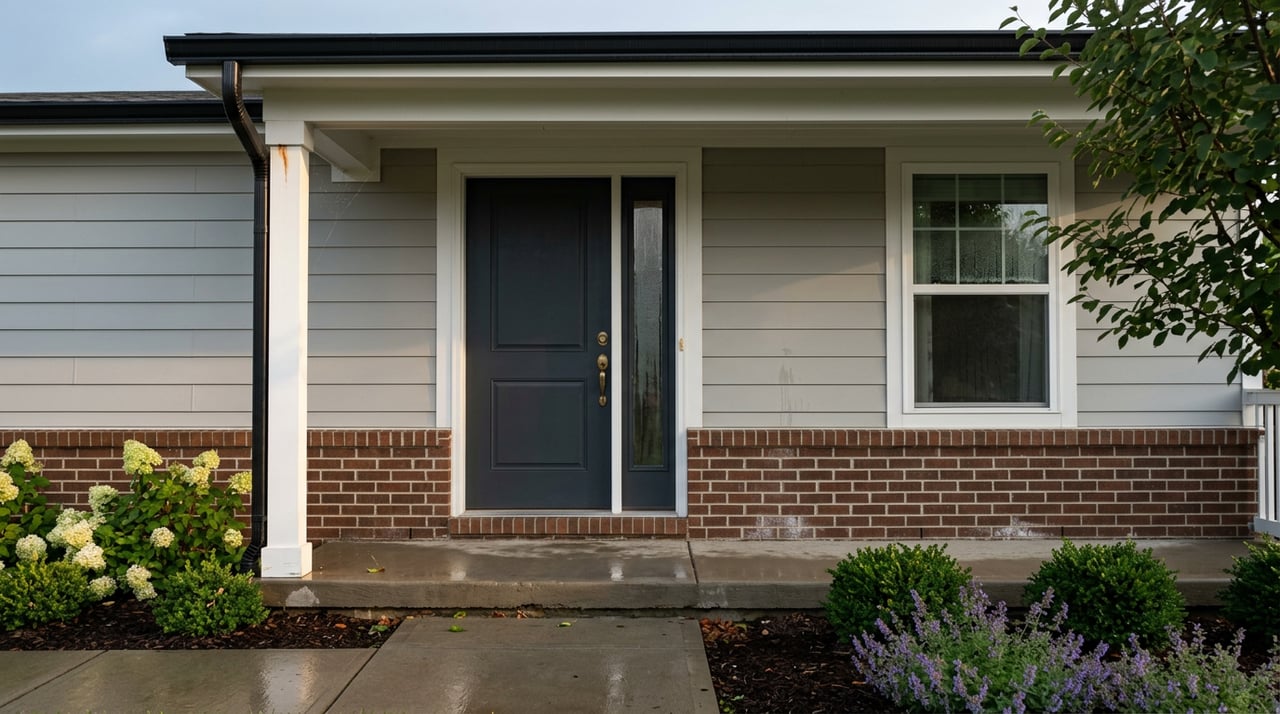
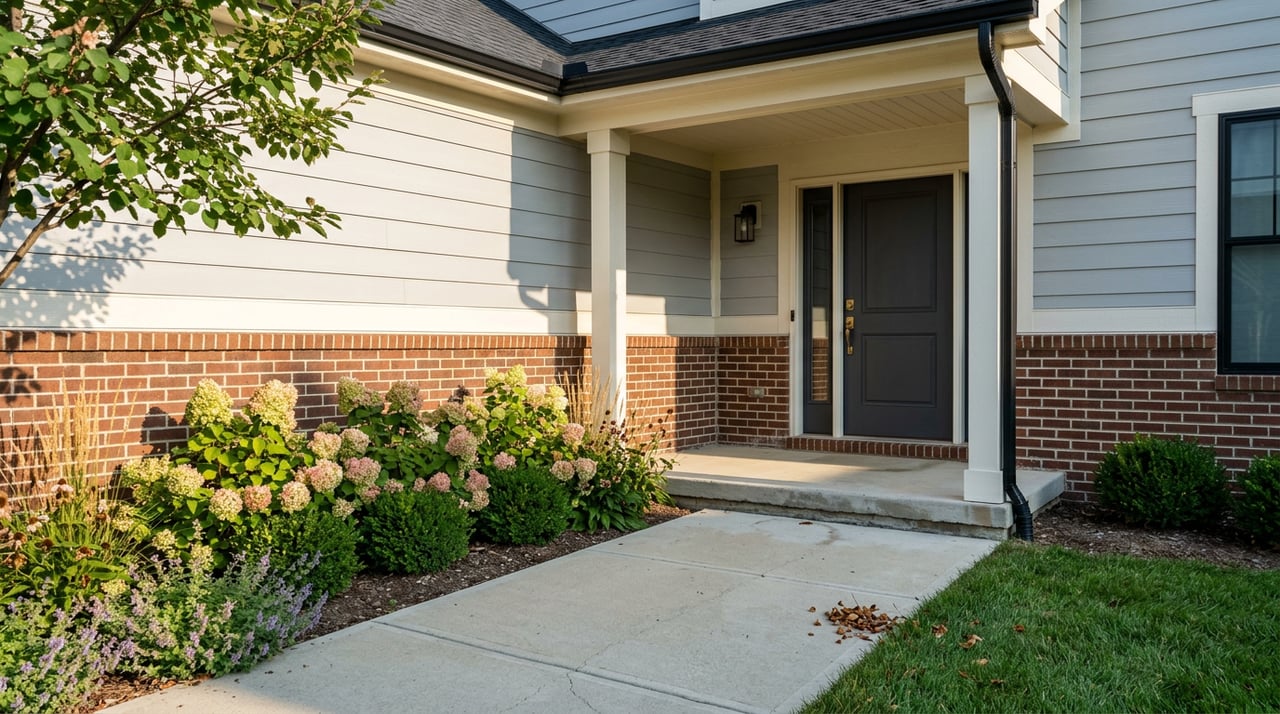
- Exterior: roof covering, gutters and downspouts, siding, windows and doors, exterior trim, decks and porches, and site grading.
- Roofing: visible condition, age estimate, flashing, and signs of active or past leaks.
- Interior: walls, ceilings, floors, doors and windows, and visible moisture stains or damage.
- Basement or crawlspace: water intrusion, sump pump presence and operation, and foundation cracks.
- Plumbing: visible supply and drain lines, water heater age and condition, and leaks at accessible fixtures.
- Electrical: service entrance, main panel condition, visible wiring, and presence of GFCI/AFCI protection where required.
- HVAC: basic operation of furnace, boiler, and air conditioner; visible ducts and flues.
- Insulation and ventilation: attic insulation depth and attic ventilation.
- Built-in appliances: operation of included items like dishwashers and ranges.
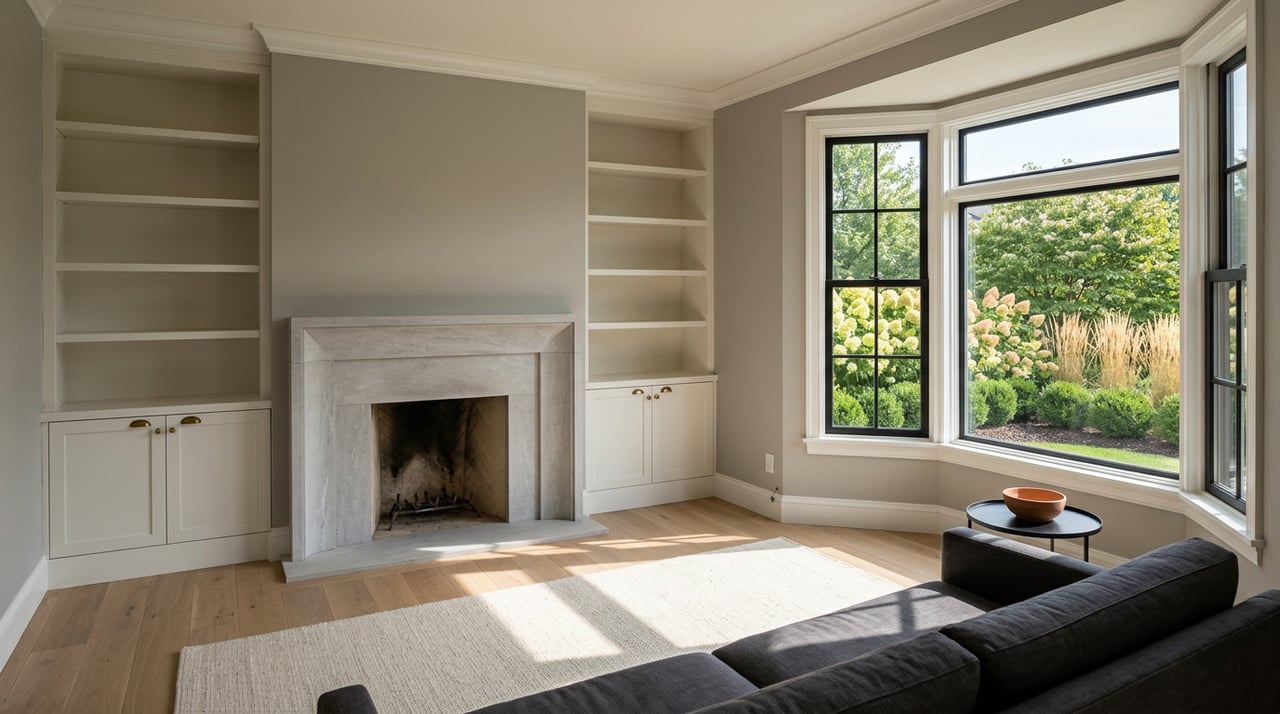
- Fireplaces: a visual check of the firebox and visible flue areas.
What it does not cover
A home inspection is a snapshot of observable conditions on the day of the inspection. Inspectors do not open walls or guarantee future performance. Common exclusions include:
- Concealed conditions: anything hidden behind finishes or underground, such as hidden piping or buried lines.
- Code compliance and warranties: inspectors do not certify that the home meets current code or provide guarantees.
- Hazard testing: radon, mold, asbestos, lead-based paint, pests, and sewer camera scopes are separate services.
- Lifespan predictions: inspectors may estimate remaining life of systems, but cannot predict precise failure dates.
Frankfort-specific issues to watch
Frankfort and the broader Chicago-Naperville-Arlington Heights area have a mix of housing ages and styles, from older village homes to newer planned communities. Our climate and soils shape what inspectors often find:
- Basement moisture and grading: freeze-thaw cycles and heavy spring rains can cause water intrusion. Look for efflorescence on walls, downspouts that discharge at the foundation, and soil graded toward the house.
- Foundation movement: clay and fine-grained soils can contribute to settlement if drainage is poor. Significant cracks or uneven floors warrant further evaluation.
- Roof and gutter wear: storms and seasonal shifts age shingles and flashing, especially around chimneys and vent stacks. Clogged gutters are common.
- Masonry and tuckpointing: mortar deterioration and chimney crown wear show up on many brick homes.
- Mechanical age: older furnaces, boilers, and A/C units may near end-of-life, and multi-zone systems can show uneven performance.
- Electrical panels and protection: inspectors flag obsolete or unsafe panels and missing GFCI/AFCI protection in kitchens, baths, and exterior areas.
- Windows and insulation: failed window seals and low attic insulation are frequent in older homes and can affect comfort and energy costs.
- Sump pumps and backups: homes with basements often rely on sump pumps. Missing battery backups are a common deficiency.
- Plumbing lines and sewer laterals: older galvanized supply lines and sewer laterals may show corrosion or root intrusion. A sewer scope is smart on older properties.
Environmental considerations:
- Radon: levels vary across Illinois. Short-term radon testing is a common add-on during the inspection contingency.
- Lead-based paint: relevant for homes built before 1978. Testing is separate and targeted.
- Asbestos and mold: more likely in older homes or those with water intrusion. Testing and abatement are separate services.
- Wood-destroying organisms: termites and carpenter ants are possible. A pest inspection may be recommended based on property conditions.
Local records and utilities:
- Permits and remodeling: inspectors may note signs of unpermitted work. Verify permit history with the Village of Frankfort or Will County records.
- Sewer lateral: homeowners are typically responsible for the lateral to the municipal main. Consider a camera scope for older lines.
Timeline and what to expect
- Schedule quickly: once your contract is effective, schedule the inspection right away. Many local contracts allow an inspection contingency of about 5 to 10 business days, but confirm the exact timeframe in your purchase contract.
- Duration on site: most single-family inspections take about 2 to 4 hours, depending on size, age, and complexity.
- Attend if you can: being there helps you see issues firsthand and ask questions.
- Access matters: ensure the inspector can reach the attic, basement or crawlspace, electrical panel, mechanical rooms, and exterior. Notify the seller about pets or locked areas.
- Report delivery: expect a written report within 24 to 48 hours. Most reports include photos, severity notes, and recommendations.
- Specialized tests: plan timelines so radon tests, sewer scopes, or other specialists can finish within your contingency window.
How to prepare as a buyer
- Bring a notepad and questions: note maintenance items and ask the inspector about upkeep and timelines.
- Check utilities: confirm gas, water, and power are on so systems can be tested.
- Focus on big-picture function: a long list of small maintenance items is common. Prioritize health, safety, structure, water, roof, and major mechanicals.
- Plan for estimates: if major issues arise, you may need 1 to 3 contractor quotes to support a repair or credit request.
Reading the report
Inspection reports often categorize findings so you can prioritize:
- Safety hazards: exposed live wiring, gas leaks, missing smoke or CO detectors, or unsafe stairs.
- Major repairs or near-term replacements: aging furnaces or A/C units, leaking roofs, significant foundation movement, or failing water heaters.
- Moisture issues: active leaks, basement seepage, or poor grading that can lead to mold or rot.
- Maintenance or cosmetic items: caulking, minor drywall cracks, loose handrails, or window fogging.
Read the summary first, then review photos and recommendations. Ask your inspector to clarify any technical language.
Negotiation options that work
Once you understand the findings, choose an approach that fits your goals and the market context:
- Seller repairs before closing: specify the scope, require licensed contractors and permits when needed, and ask for receipts and permit sign-offs.
- Seller credit or price reduction: you complete repairs after closing. Credits can offset costs and give you control over the work.
- Repair escrow or holdback: funds are set aside at closing until repairs are completed. This can help when weather or scheduling delays make pre-closing work hard.
- Accept as-is: appropriate for minor or cosmetic items when you are comfortable taking them on.
Best practices for repair requests:
- Be specific: reference the report’s line items and photos.
- Provide estimates: documented costs help sellers respond reasonably.
- Prioritize safety and major systems: sellers are more likely to address these than cosmetic issues.
- Offer alternatives: ask for a credit if the seller will not do the repair.
- Meet deadlines: submit your request within your contingency window and track response dates.
Optional specialty inspections
Depending on age, condition, and location, you may add targeted tests. Approximate ranges are typical for the Chicagoland region, but local prices vary:
- Radon test: about $100 to $250 for a short-term test.
- Sewer camera scope: about $150 to $400, especially recommended for older laterals or past sewer issues.
- Termite or pest inspection: about $75 to $200.
- Chimney camera inspection: about $125 to $350.
- Mold sampling: about $200 to $500, varies by number of samples and lab fees.
- Structural engineer evaluation: about $300 to $1,200 or more, based on scope.
- General home inspection: about $300 to $700, depending on size and age.
- Well and septic inspections: septic often about $300 to $600, well water testing varies by parameters.
Talk with your inspector about which add-ons make sense for your property and timeline.
Quick buyer checklist
Use this checklist to stay organized from contract to negotiation:
- Schedule your general inspection right after contract acceptance and confirm your contingency deadline.
- Ask the seller for access to all areas, plus utility activation if needed.
- Attend the inspection, take notes, and ask maintenance questions.
- Decide on specialty tests early so results arrive before your deadline.
- Review the report within 24 to 48 hours and prioritize safety, water, roof, structure, and major mechanicals.
- Obtain 1 to 3 contractor estimates for significant items.
- Submit a precise, documented repair or credit request before your contingency expires.
- Keep everything: the report, estimates, repair agreements, receipts, and permit documentation.
Next steps
A successful inspection is about clarity and choices. You want to know what matters now, what can wait, and how to protect your budget without stalling your move. With the right plan, the inspection becomes a powerful tool for smarter ownership, not a hurdle.
If you want a step-by-step partner in Frankfort and across the Chicago Southland, our team can help you coordinate inspectors, review reports, and structure repair or credit requests that fit your goals. Connect with Michelle Arseneau to get expert, local guidance from contract to closing.
FAQs
What is included in a standard Illinois home inspection?
- A visual evaluation of major systems and components, including structure, roof, exterior, interior, plumbing, electrical, HVAC, insulation, and built-in appliances, based on common Standards of Practice.
How long does a Frankfort home inspection take?
- Most single-family inspections take about 2 to 4 hours on site, depending on size, age, and complexity, with the written report usually delivered within 24 to 48 hours.
Should I get a radon test in Will County?
- Radon levels vary across Illinois, and short-term testing is commonly recommended as a separate add-on during your inspection contingency period.
What specialty inspections are worth considering?
- Depending on the home, consider radon testing, a sewer camera scope for older laterals, pest inspections, chimney camera inspections, mold sampling after water intrusion, and a structural engineer evaluation for significant movement.
What if the seller refuses repairs after inspection?
- You can request a credit or price reduction, propose a repair escrow, accept the home as-is if issues are minor, or, subject to your contract terms, cancel within your inspection contingency window if major concerns cannot be resolved.