Thinking about a move to Orland Park but not sure what day-to-day life really looks like? You want space, convenience, and a neighborhood feel without losing access to the city. This guide breaks down the housing, commute, parks, shopping, dining, schools, and practical costs so you can see if it matches your lifestyle and budget. Let’s dive in.
Who Orland Park fits
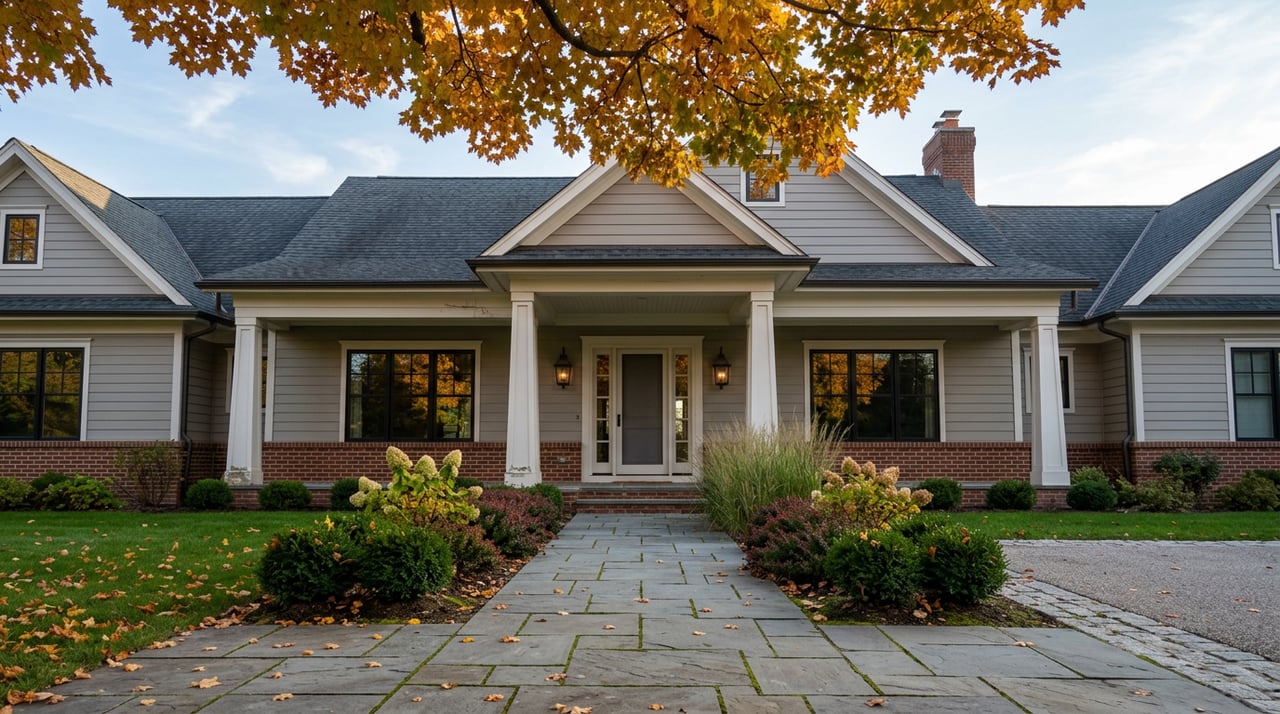
If you want a classic suburban setting with access to Chicago, Orland Park is a strong option. You will find established neighborhoods with mature trees, newer subdivisions with more space, and plenty of townhome and condo choices.
Families appreciate the parks, youth sports, and access to multiple school districts. Downsizers value single-level living, low-maintenance communities, and proximity to medical offices and shopping. Commuters use Metra or major roads to reach downtown Chicago or other suburban job centers.
Housing options and neighborhoods
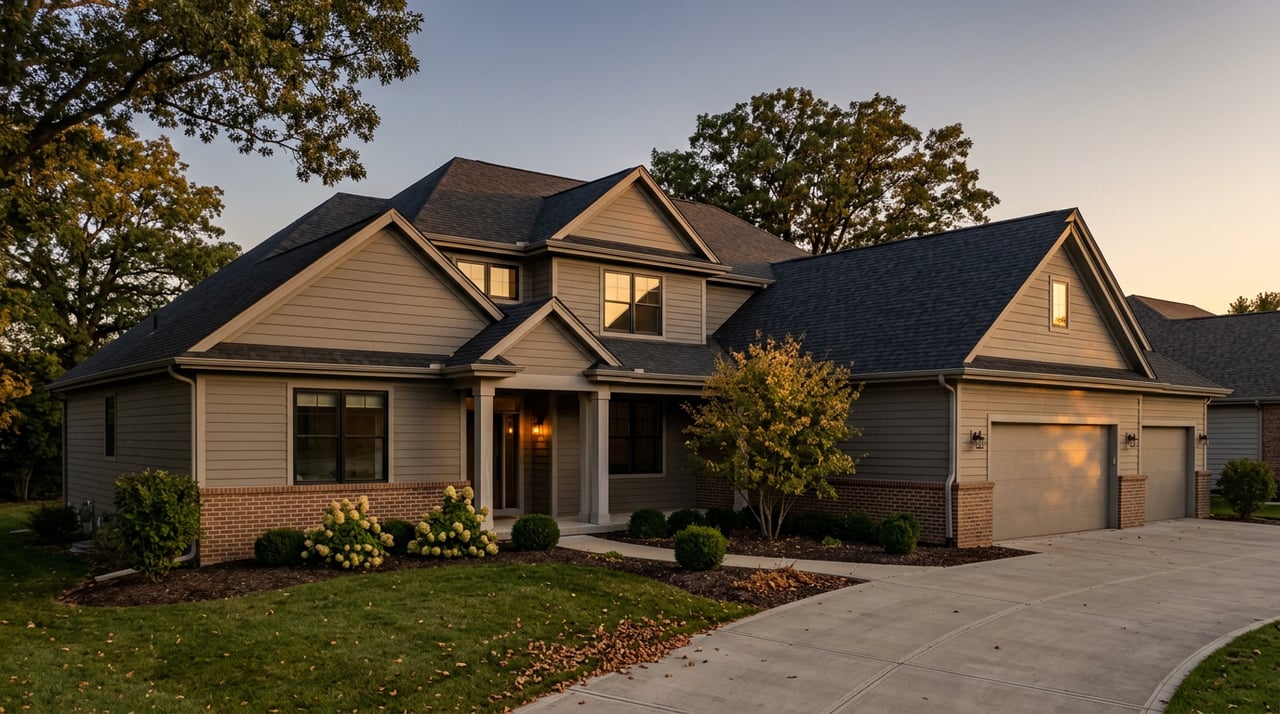
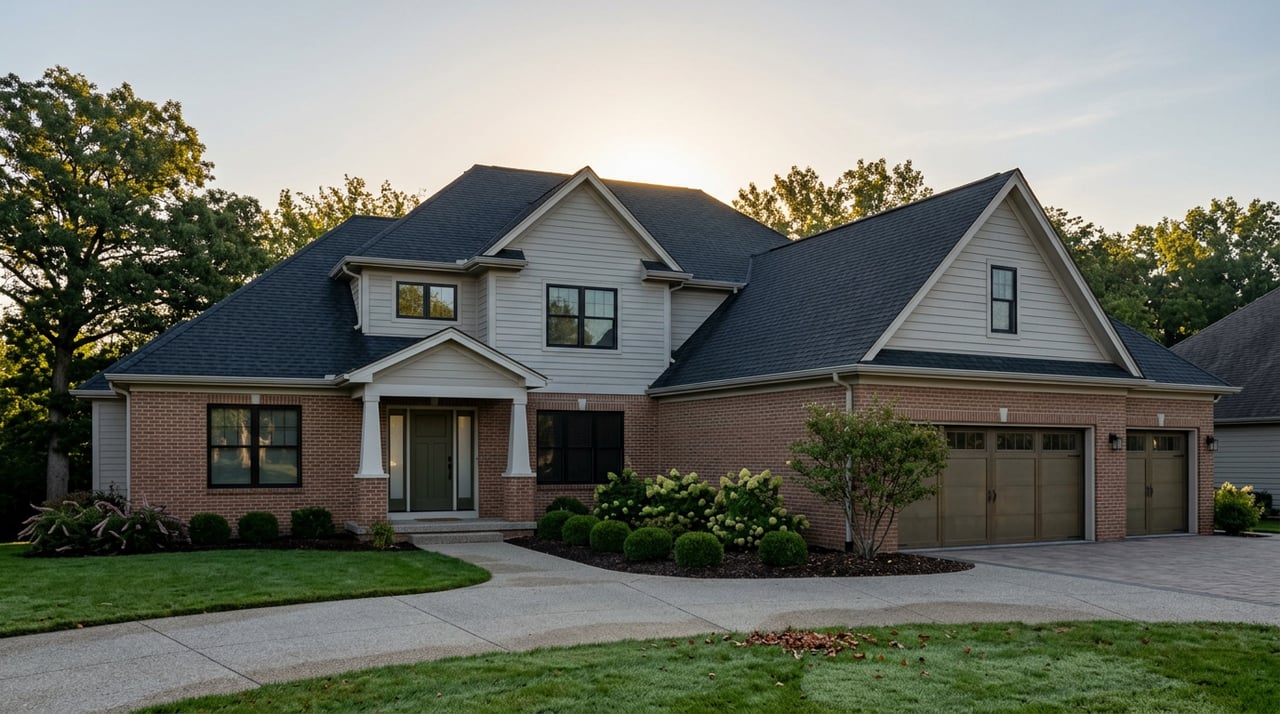
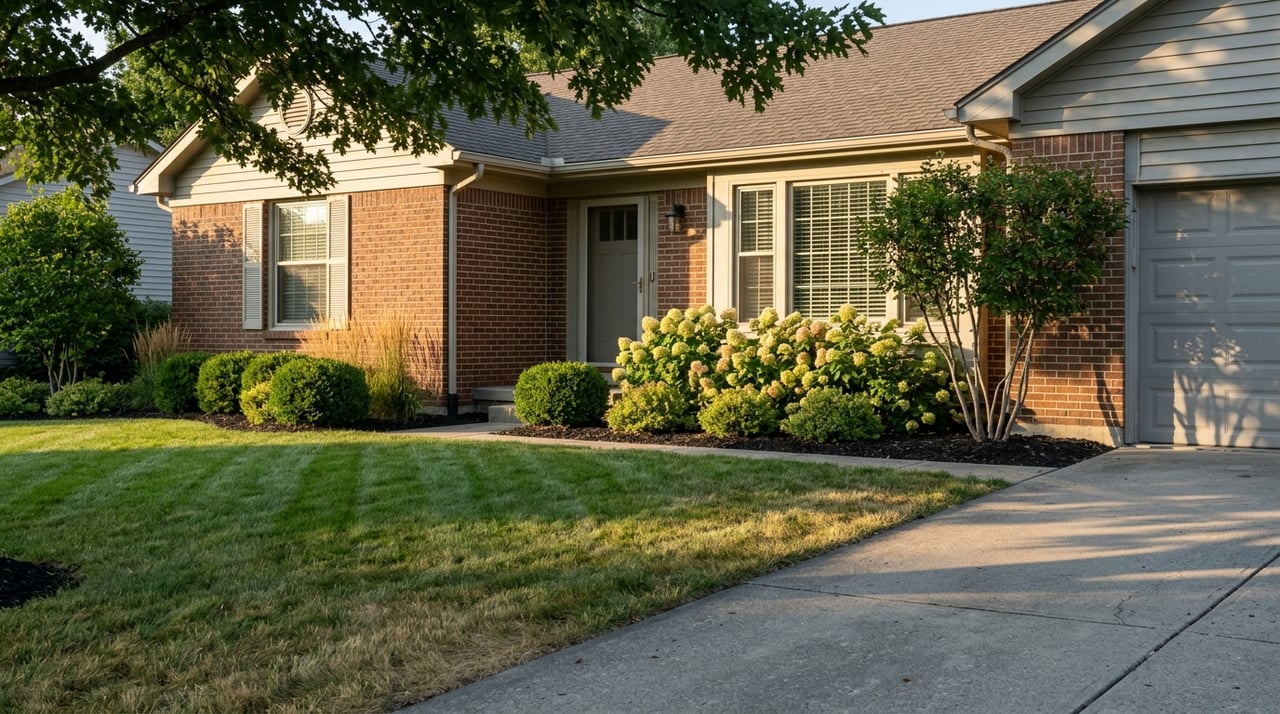
Orland Park’s housing stock covers a wide range of needs and budgets. You will see everything from mid-century ranches to larger executive homes, plus many townhome and condo communities.
Single-family classics
Older neighborhoods include ranch and split-level homes on modest lots. These areas often have sidewalks and mature trees. Many of these homes have updated kitchens and baths, while others are ready for your renovation plans.
Newer subdivisions
On the edges of town, you will find larger lots and multi-level homes with modern floor plans. Cul-de-sacs and HOA amenities vary by community. These areas suit buyers who want more square footage and private yards.
Townhomes and condos
There is a significant supply of townhomes and condominium communities, including some age-restricted or active-adult options. These can be ideal if you prefer lower maintenance and want to stay close to shopping, services, and transit. Well-located units near retail and healthcare can see strong demand.
What to expect when touring
- Expect a mix of renovated and original-condition homes, especially in mid-century areas.
- Newer construction focuses on open layouts, larger kitchens, and attached garages.
- Low-maintenance communities offer exterior care and convenience for busy owners and downsizers.
Commuting and getting around
Orland Park offers several ways to reach jobs and entertainment across the region. Many residents split their travel between train and car depending on schedule and destination.
Metra SouthWest Service
Metra’s SouthWest Service connects Orland Park to Chicago Union Station. It is oriented to weekday commuter schedules. If you rely on off-peak or weekend travel, you should confirm current frequency and timing. Typical trips to downtown by rail are often under an hour.
Driving reality check
Major highways and arterial roads make driving a common choice. Commute times vary with traffic and time of day, so plan for flexibility if your schedule changes. Park-and-ride lots near stations help if you mix driving and train travel.
Buses and paratransit
Pace suburban buses and local paratransit offer connections across the southwest suburbs. Service levels vary by route and time, so check availability if you depend on bus service for daily travel.
Parks and recreation
You will find a robust parks and recreation network across Orland Park. It supports active households, youth sports, and year-round programming.
Park system and programs
Neighborhood parks, larger complexes, playgrounds, sports fields, and walking paths are spread throughout the community. The local park district runs seasonal programs, youth leagues, and fitness classes. Families often choose Orland Park for the range of organized activities.
Forest preserves and trails
Orland Park sits near a network of regional green spaces and forest preserves. Biking, hiking, and birdwatching are popular. These areas offer a quick escape if you want time outdoors without a long drive.
Shopping and dining
Orland Park is a regional retail hub for the southwest suburbs. Daily errands are straightforward, and there is no shortage of places to eat and gather.
Retail hubs
You will find big-box stores, national chains, and a regional mall that draws shoppers from nearby towns. Grocery options and neighborhood centers make it easy to handle weekly shopping. Many medical offices, banks, and services are clustered along major corridors.
Food and entertainment
The dining mix includes national brands, casual chains, and independent family restaurants and cafes. There are sit-down restaurants and local bars near retail corridors. Entertainment options tend to be family friendly.
Schools and services
Orland Park is served by multiple public school districts, plus private and parochial options. Boundaries vary inside the village, so it is smart to verify specific schools for any home you are considering.
Public and private schools
Public elementary districts typically feed into regional high school districts. School reputation is a common factor for buyers, but it is best to review current ratings and boundary maps directly from official sources. Early childhood programs, daycare, and after-school activities are available through both public and private providers.
Healthcare access
Orland Park has many clinics and medical offices in town, with larger hospitals and specialty centers a short drive away. This convenience is a key benefit for both families and aging homeowners.
Costs, taxes, and resale
Plan ahead for long-term ownership. Property taxes and routine expenses deserve attention early in your search.
Property taxes and utilities
Property taxes in Cook County can be a significant part of your budget. Be sure to compare tax bills when evaluating homes in different neighborhoods. Standard suburban utilities are available, and homeowners and auto insurance costs should be reviewed with your providers.
Resale considerations
Orland Park’s role as a retail and service hub supports steady demand. Resale values vary by neighborhood, housing type, and broader market cycles. Updated homes in convenient locations tend to attract more buyers, and low-maintenance communities near services can see strong interest.
A day in Orland Park
Start your morning with a walk on a neighborhood path or a quick ride through a nearby forest preserve. Midday, you might run errands at a retail center and swing by the library or a community class. After school or work, youth sports and fitness programs keep schedules active. In the evening, grab a casual dinner near a main corridor or meet friends for a local event, like a seasonal concert or market.
Is Orland Park right for you
Use this quick checklist to assess fit:
- You want suburban space with access to Chicago by train or car.
- You value parks, youth sports, and community programming.
- You prefer choices across housing types, from ranch homes to newer builds and condos.
- You want everyday shopping and medical services close to home.
- You are prepared to compare property taxes and evaluate resale potential by neighborhood.
If this sounds like you, Orland Park deserves a spot on your short list. When you are ready to tour homes or need neighborhood-level guidance, connect with a local team that knows the Chicago Southland inside and out. The Michelle Arseneau team offers full-service buyer and seller representation, staging and listing marketing, investor and rehab support, and guidance for estate, short sale, and foreclosure situations.
FAQs
Is Orland Park good for downsizers
- Yes. You will find many condos, townhomes, and single-level homes, plus convenient access to shopping, medical offices, and community programs.
How do commuters reach Chicago from Orland Park
- Metra’s SouthWest Service runs to Union Station on commuter-focused schedules, and major highways support driving to downtown and other suburban job centers.
What neighborhoods are in Orland Park
- Options include established areas with mid-century homes and sidewalks, newer subdivisions with larger lots, mixed-use corridors near retail, and low-maintenance condo communities.
What is the shopping and dining like in Orland Park
- Orland Park is a regional retail hub with big-box stores, a regional mall, grocery options, national chains, and independent family restaurants and cafes.
How are schools organized in Orland Park
- Multiple elementary districts feed into regional high school districts, with private and parochial options available; verify boundaries and current ratings for any property.
What should buyers budget for taxes in Orland Park
- Property taxes in Cook County can be significant, so compare tax bills by neighborhood and factor ongoing utilities and insurance into your total monthly budget.