Wondering whether suburban Cook County or Will County fits your lifestyle better? If you are planning a move in the Chicago Southland, that choice can shape everything from your home style to your daily commute and weekend routine. The good news is that both areas offer strong options, but they serve different priorities. This guide breaks down the biggest differences so you can compare them with more confidence. Let’s dive in.
Housing Style and Everyday Feel
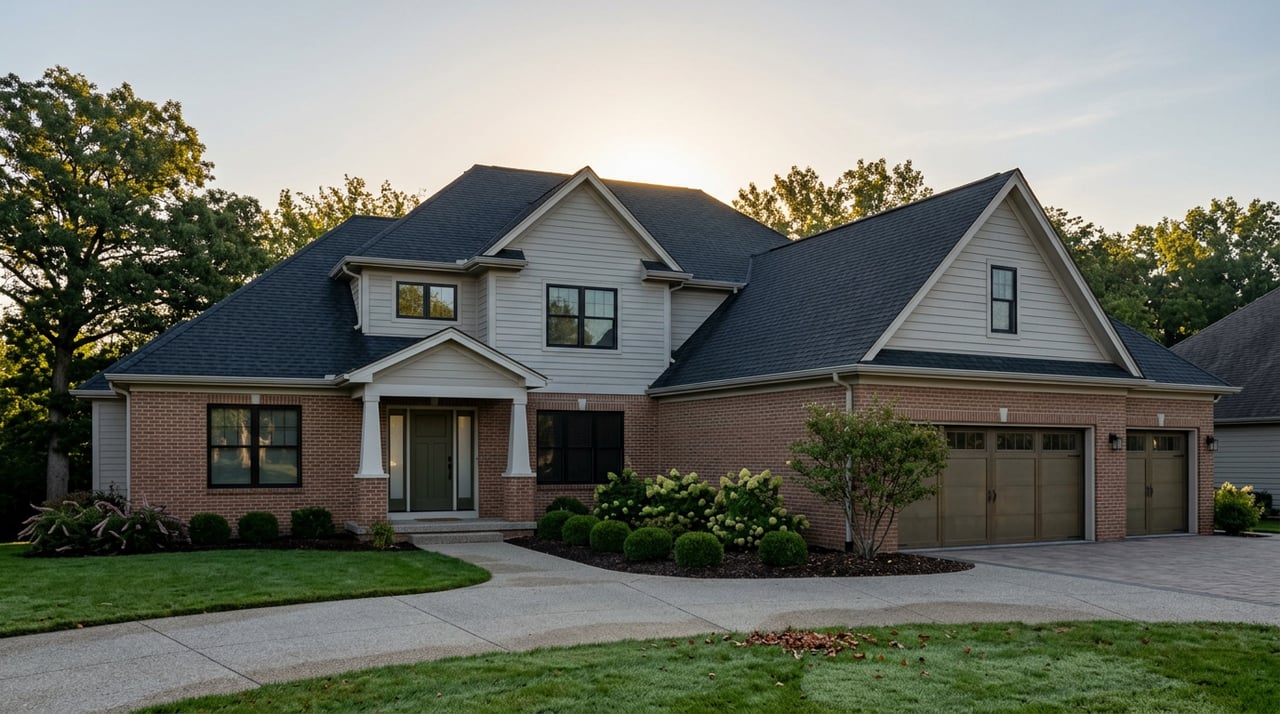
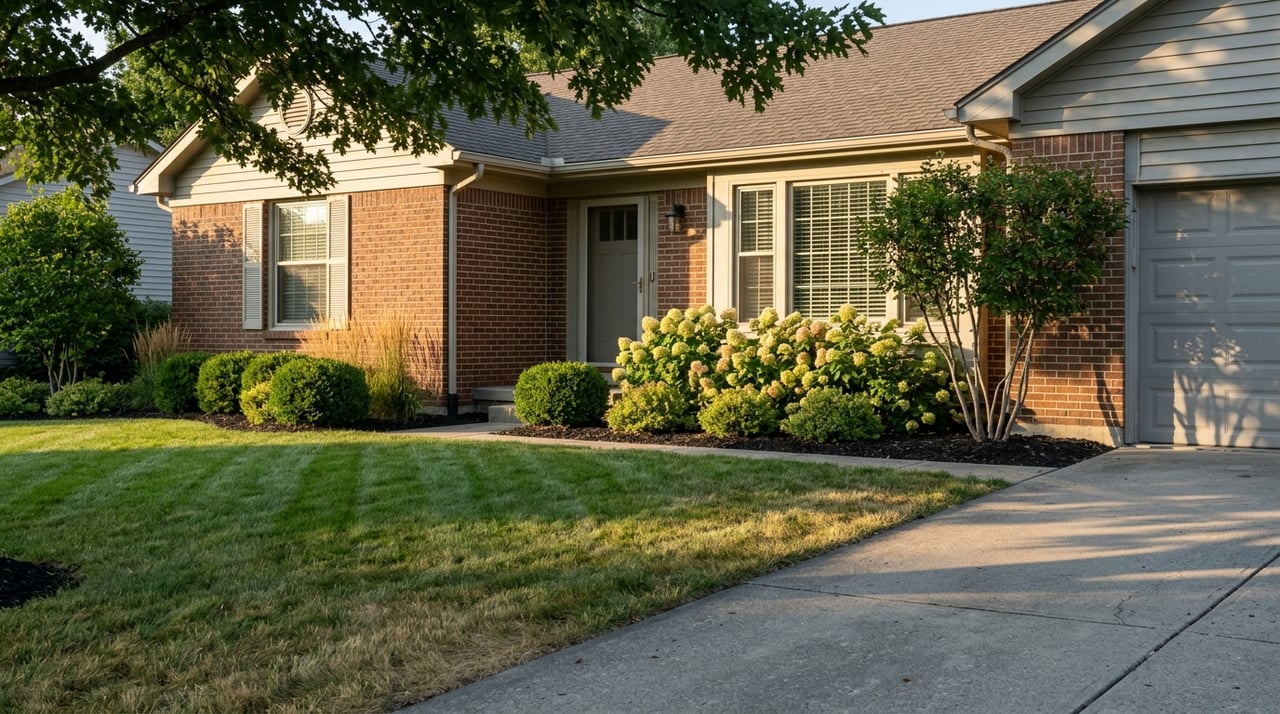
One of the clearest differences between suburban Cook County and Will County is the housing mix. According to Cook County planning data, suburban Cook has about 1 million housing units, with roughly 66% single-family homes, 17% in buildings with 2 to 9 units, and 16% in larger multifamily buildings. Much of that housing was built before 1980, which creates a more varied mix of older neighborhoods, townhomes, condos, and apartments.
That same Cook County economic development report notes that 72% of occupied suburban Cook households are owner-occupied. It also shows that new residential construction has slowed, averaging 1,760 homes permitted annually from 2020 through 2023. In practical terms, that can mean more established housing stock and fewer newly built options compared with some nearby markets.
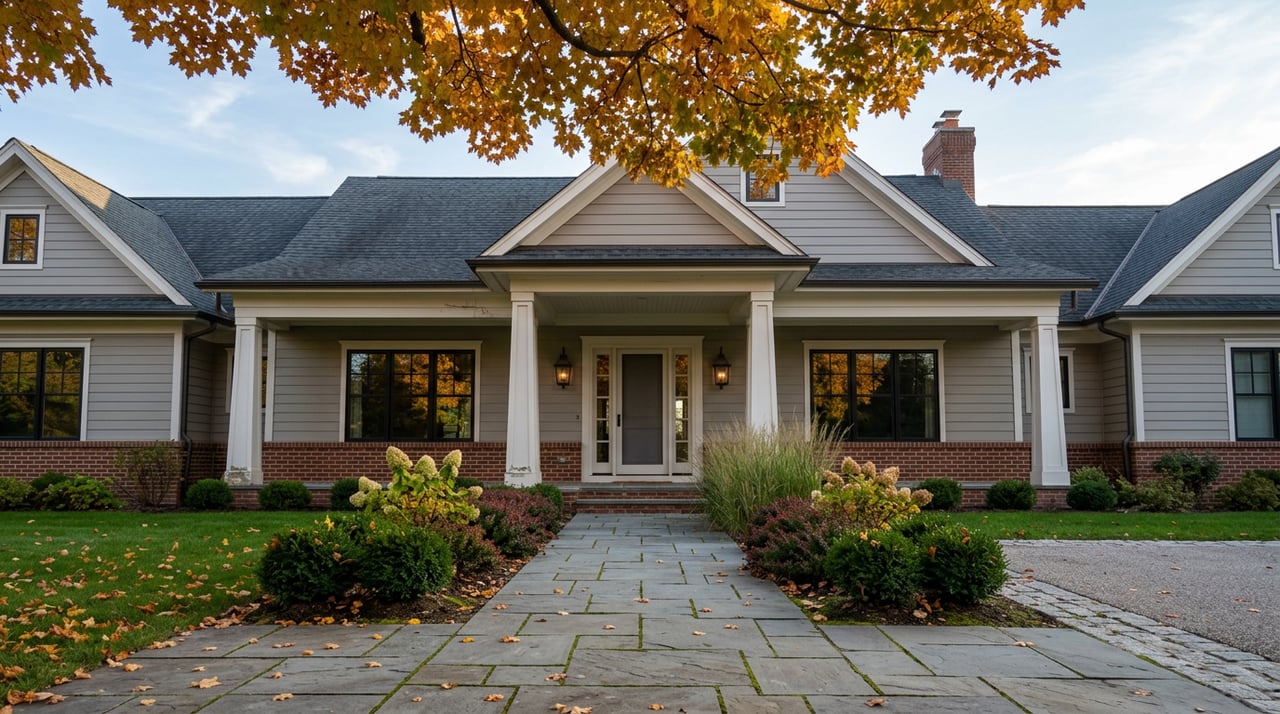
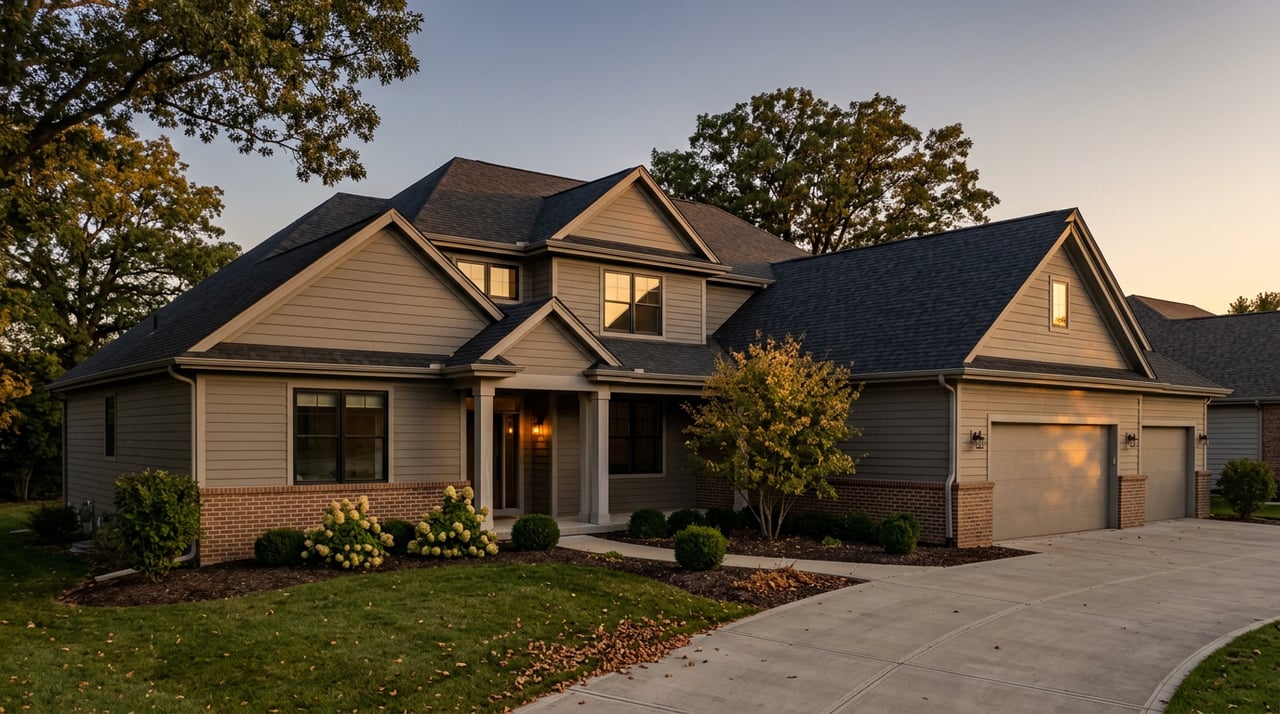
Will County looks different. CMAP data for Will County shows that 74.8% of housing units are single-family detached, 11.3% are single-family attached, and the county has a newer housing profile overall. The median year built is 1992, nearly half of the stock was built from 1990 to 2009, and 6.3% was built in 2010 or later.
If you want more housing variety, suburban Cook usually gives you more options. If you want a newer detached home with a larger floor plan, Will County often lines up better with that goal. Will County homes also tend to be larger on average, with a median of 6.5 rooms and 28.9% of homes offering four bedrooms, based on the same CMAP county profile.
Commute Options Matter
For many buyers, the biggest day-to-day difference comes down to transportation. Suburban Cook County generally has a denser rail network, which can make commuting more flexible. Metra service information shows that the area is served by lines including Metra Electric, Rock Island District, SouthWest Service, and Heritage Corridor, with stations in places such as Oak Lawn, Chicago Ridge, Orland Park, Homewood, Olympia Fields, and University Park.
That broader station network can make transit a bigger part of everyday life in suburban Cook. Some larger multifamily buildings are also located near transit stations and major interstates, according to Cook County planning data. If you value the option to walk, drive a short distance, or have more than one transit route available, suburban Cook often offers that extra flexibility.
Will County still has rail access, especially along the Rock Island, Heritage Corridor, SouthWest Service, and Metra Electric corridors. But the setup tends to be more corridor-based, and Metra notes on SouthWest Service say that SouthWest Service and Heritage Corridor do not operate on weekends. That means some Will County rail options work best for weekday commuters who are comfortable driving to a station.
Pace service adds helpful transportation support in both areas. In south Cook, Pace project information highlights local and connector service, while Will County riders also have options such as Route 504 in Joliet and Access Will County dial-a-ride, as referenced in the research. Still, if transit access is high on your list, suburban Cook usually has the edge.
Parks and Trails Shape Lifestyle
Your weekends matter too, and both counties offer strong outdoor amenities. The difference is more about scale and feel than whether recreation exists.
The Forest Preserves of Cook County cover nearly 70,000 acres and include more than 350 miles of paved and unpaved trails. That is a major regional asset for hiking, biking, fishing, canoeing, golf, picnicking, and seasonal activities. If you like having a wide preserve network woven through the county, Cook offers a lot of reach.
Will County has a smaller but still substantial preserve system. The Forest Preserve District of Will County says it owns or manages more than 23,000 acres and has more than 130 miles of trails. County preserve destinations include places such as Hickory Creek, Rock Run, Lake Renwick, Whalon Lake, Centennial Trail, and DuPage River Trail.
For many buyers, the choice comes down to how you want outdoor space to fit into your routine. Cook County offers the larger preserve system overall. Will County often delivers a more spread-out, trail-focused recreation experience with an open-county feel.
Comparing Cost and Buyer Tradeoffs
Price is important, but so is what you get for your money. That is where the county comparison gets more nuanced.
In suburban Cook County, the market has tightened. According to the Cook County Consolidated Plan, the median single-family detached sale price was $373,000 as of August 2024. The same report says market-rate rents averaged $1,700 in 2024, while rents in buildings built since 2020 averaged $2,400.
That report also notes that south and west suburban single-family properties saw a 15.1% average property tax increase after 2023 reassessments, with some communities seeing increases above 30%. This is one reason it helps to look beyond the list price when comparing homes. Monthly ownership costs can vary more than many buyers expect.
Will County's U.S. Census QuickFacts show a countywide median owner-occupied housing value of $319,600 and median gross rent of $1,462 for 2020 to 2024. Because the housing stock is newer and more detached overall, many buyers may find a different balance of size, age, and maintenance needs there.
A Simple Side-by-Side View
Here is a quick way to think about the comparison:
| Category | Suburban Cook County | Will County |
|---|---|---|
| Housing mix | More varied, with single-family, townhomes, condos, and multifamily | More detached-home oriented |
| Housing age | Older overall, with much built before 1980 | Newer overall, median year built 1992 |
| Commute style | Stronger rail and local transit network | Rail available, but more corridor-based and driving-oriented |
| Outdoor recreation | Larger preserve system and more trail mileage | Strong preserve system with a regional trail feel |
| Cost profile | Often higher for transit access and housing variety | Often more space and newer housing for the budget |
Which County Fits Your Priorities?
If your top priorities are transit access, housing variety, and established neighborhoods, suburban Cook County may feel like the better fit. It tends to work well for buyers who want multiple commute options or prefer a broader mix of home types.
If your focus is a newer detached home, more interior space, and a lifestyle that is comfortable with driving more often, Will County may make more sense. Many buyers are drawn to the newer housing stock and larger floor plans.
The most important thing to remember is that county lines only tell part of the story. The best fit often comes down to the specific town, station area, home type, and monthly budget you are targeting. If you want help comparing communities across the Chicago Southland, Michelle Arseneau and her team can help you narrow your options and make a move with more clarity.
FAQs
Is suburban Cook County or Will County better for a rail commute?
- Suburban Cook County is usually better for a rail commute because it has more station choices and broader transit connectivity, according to Metra.
Are homes in Will County newer than homes in suburban Cook County?
- Yes. CMAP data shows Will County has a median year built of 1992, while much of suburban Cook County housing was built before 1980.
Does suburban Cook County have more housing variety than Will County?
- Yes. Cook County planning data shows a broader mix of single-family, small multifamily, and larger multifamily housing in suburban Cook.
Which county has more parks and trails, suburban Cook County or Will County?
- Cook County has the larger preserve system and more trail mileage overall, while Will County still offers a substantial network of preserves and trails through the Forest Preserve District of Will County.
Is Will County usually more affordable than suburban Cook County?
- Countywide figures suggest Will County often has lower housing values and rents overall, based on U.S. Census QuickFacts, but the best comparison is still town by town and home by home.