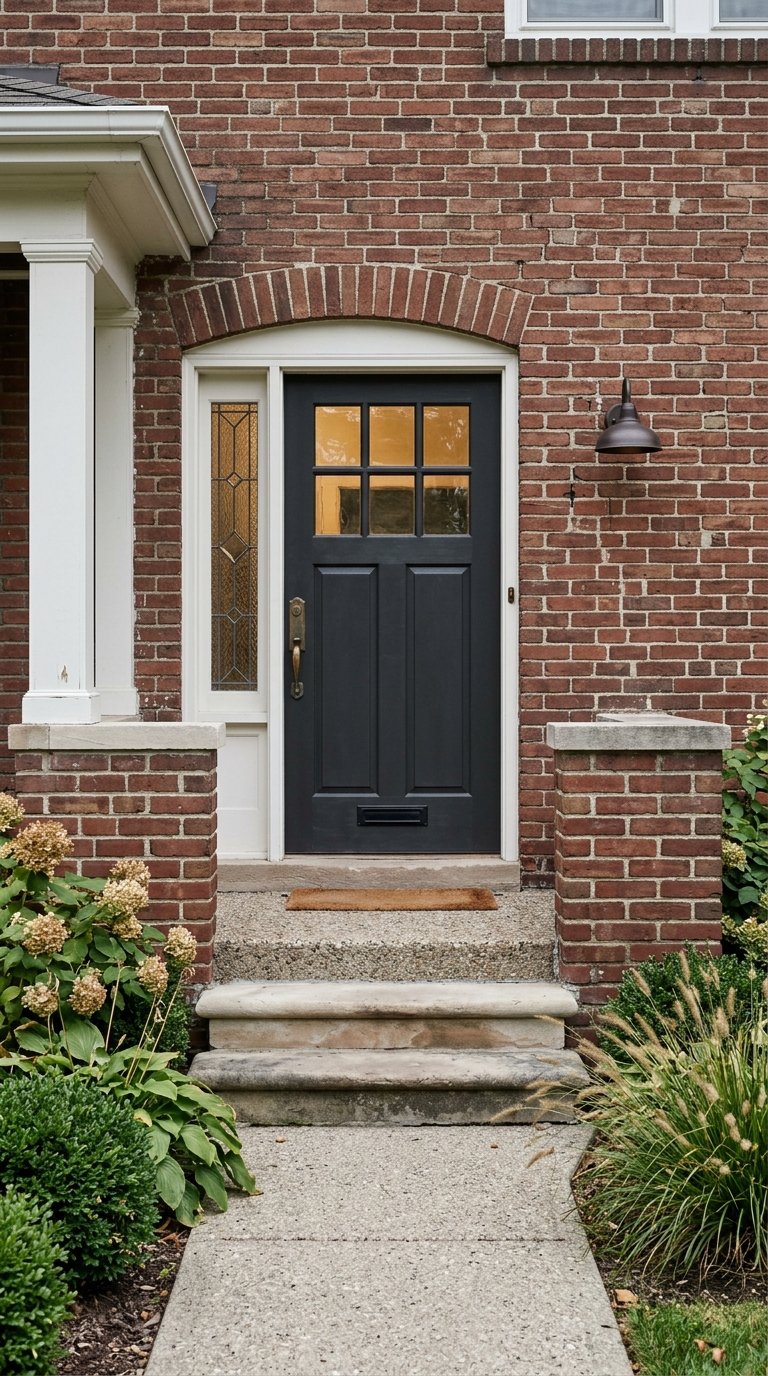
If you are drawn to original woodwork, distinctive architecture, and the kind of curb appeal that cannot be copied easily, historic homes in Kankakee may already be on your radar. Buying one can be exciting, but it also comes with questions about upkeep, inspections, renovation rules, and long-term value. This guide will help you understand what makes Kankakee’s historic housing stock special, what to watch for before you buy, and how to make a smart move with confidence. Let’s dive in.
Why Kankakee stands out
Kankakee has a strong historic-home identity, especially for a mid-sized Illinois city. The Riverview Historic District is listed on the National Register of Historic Places and is known for custom-built homes, many of them more than 100 years old, on large lots near the river.
Historic architecture in Kankakee is not limited to one pocket or one style. The city also has a Downtown Historic District with 73 buildings and a broad range of architectural influences, which speaks to the depth and variety of the local historic landscape.
For you as a buyer or homeowner, that variety matters. It means two historic homes in Kankakee can offer very different layouts, materials, repair needs, and ownership responsibilities.
What historic homes look like here
Prairie School influence
Kankakee holds a unique place in architectural history because of the B. Harley Bradley House and the Warren Hickox House, both designed by Frank Lloyd Wright in 1900. According to Wright in Kankakee, these homes mark the beginning of Wright’s Prairie Style period.
If you are shopping for a historic home in Kankakee, you may notice some Prairie-inspired details in the area, such as low-pitched roofs, broad eaves, horizontal lines, and rows of windows. These features create a strong sense of design, but custom millwork and original details can also be costly to repair or replicate if they have been damaged.
Queen Anne and Victorian character
Kankakee also includes late-Victorian homes, including the Hunter-Hattenburg House, a Queen Anne house built in 1898. Homes from this period often stand out for asymmetry, decorative trim, and more ornamental exterior details.
That charm is part of the appeal, but it can also mean more ongoing maintenance. The more detailed the exterior, the more areas there are to inspect, preserve, and repair over time.
Bungalow and revival styles
The Riverview district also includes Bungalow/Craftsman and revival-era homes, as noted in its National Register listing. That mix gives buyers more options, but it also means one street may have very different floor plans and construction methods from the next.
If you are comparing homes, it helps to look beyond appearance alone. Age, materials, and architectural style can all affect repair costs, renovation plans, and day-to-day upkeep.
Why buyers love historic homes
Historic homes often offer features that newer homes do not. You may find larger lots, mature landscaping, original craftsmanship, unique facades, and room layouts shaped by a different era of design.
Many buyers also appreciate the sense of place that comes with an established historic area. In Kankakee, the city’s historic preservation ordinance states that preservation supports the economic vitality and value of landmarks and historic areas while helping keep the city attractive to buyers, visitors, and shoppers. You can review that in the city’s historic preservation ordinance.
That does not guarantee price performance for any individual property, but it does show that preservation is tied to broader community stewardship and long-term neighborhood character.
What to inspect before you buy
Start with a broad home inspection
With any older home, it is wise to inspect early and inspect thoroughly. The Consumer Financial Protection Bureau recommends scheduling a home inspection as soon as possible, attending if you can, and keeping an inspection contingency in your contract so you can negotiate repairs or walk away if major issues are found.
That advice is especially important with historic homes. Attractive finishes can sometimes hide aging systems, roof issues, foundation movement, or moisture problems.
Focus on moisture and exterior condition
For older homes, water is often one of the biggest long-term threats. The National Park Service guidance on moisture and masonry emphasizes regular maintenance of roofs, gutters, and downspouts, along with proper care for walls, masonry, and mortar.
If moisture gets trapped or ignored, repairs can become much more expensive. Pay close attention to signs of roof wear, staining, masonry cracks, deteriorating mortar, peeling paint, or soft wood around windows and trim.
Treat original windows carefully
Historic windows are often more important than buyers realize. The same National Park Service guidance notes that deterioration alone is not a reason to replace windows if they can be repaired.
That matters because original windows can be a defining part of a home’s character. If preservation is important to you, ask whether windows are original, whether they have been maintained, and whether repairs are possible before assuming full replacement is the best path.
Watch for lead and asbestos
Two older-home risks deserve extra attention. The EPA notes that homes built before 1978 are likely to contain lead-based paint, and renovation or repair work can create dangerous dust if not handled properly.
The EPA also explains that asbestos is generally a concern when damaged materials may be disturbed. If you are planning renovations and suspect older materials may contain asbestos, a trained and accredited professional should evaluate them first.
Remodeling rules to understand
National Register is not the same as local review
One of the most common questions buyers ask is whether a historic designation automatically limits what they can do. The answer depends on the type of designation.
The National Park Service FAQ explains that National Register listing by itself does not place federal restrictions or requirements on a private owner. That is important because many buyers assume any historic listing comes with automatic federal control, and that is not the case.
Local designation can affect exterior changes
In Kankakee, local rules matter more when a property is locally designated. The city’s Chapter 35 historic preservation ordinance establishes a Historic Preservation Commission and a Certificate of Appropriateness process for exterior alterations.
The ordinance also defines demolition by neglect in practical terms, including deterioration of foundations, walls, roofs, chimneys, doors, windows, and waterproofing when that deterioration causes unsafe conditions or permanent damage. If you are considering a locally designated historic property, review those rules early so your renovation plans match local requirements.
Financial incentives to know
Best fit for many owner-occupants
If you plan to live in the home, the most relevant incentive may be the Illinois Property Tax Assessment Freeze program. This program applies to historic owner-occupied principal residences and can apply to homes that are individually listed on the National Register or are contributing properties in a National Register historic district.
According to Illinois, the freeze lasts eight years, followed by a four-year step-up period. For some buyers, that can be a meaningful part of the ownership picture when budgeting for a historic property.
Tax credits are usually for income-producing projects
Not every historic incentive applies to a typical homeowner. Illinois explains that the federal 20% historic rehabilitation tax credit and the Illinois 25% historic preservation tax credit are generally for income-producing rehabilitations, not ordinary owner-occupied single-family homes.
That same Illinois resource notes that Kankakee is part of the River Edge framework, which may matter more for investors, mixed-use projects, or rental conversions than for a standard owner-occupied purchase.
How to shop smart in Kankakee
If you are serious about buying a historic home in Kankakee, a little extra due diligence can go a long way. Start with the home’s age, style, and designation status, then build your inspection and budgeting plan from there.
A practical checklist includes:
- Confirm whether the property is in a historic district or locally designated
- Ask about past updates to the roof, windows, masonry, plumbing, and electrical systems
- Schedule a general inspection early in the process
- Consider added evaluation for moisture issues, lead, or asbestos when appropriate
- Review exterior-change rules before planning major renovations
- Check whether the home may qualify for the Illinois property tax assessment freeze
Historic homes can be rewarding to own, but they are rarely a fit for buyers who want zero maintenance or quick cosmetic changes. The right home is usually the one where charm, condition, and your budget all line up.
Charm, care, and long-term thinking
A historic home in Kankakee can offer something hard to find in newer construction: real architectural personality and a strong connection to place. From Prairie School significance to Victorian detail and Craftsman warmth, the city gives buyers a wide range of character-rich options.
The key is to balance emotion with planning. When you understand inspection priorities, renovation rules, and the incentives that may apply, you are in a much better position to protect both the home and your investment.
If you are thinking about buying or selling a historic home in Kankakee, Michelle Arseneau and her team can help you navigate the process with experienced, local guidance.
FAQs
What makes historic homes in Kankakee, IL unique?
- Kankakee offers a wide mix of historic architecture, including Prairie School, Queen Anne, Bungalow/Craftsman, and revival-era homes, with notable areas like the Riverview Historic District.
What should buyers inspect first in a Kankakee historic home?
- Buyers should start with an independent home inspection early, with close attention to moisture, roofing, masonry, foundations, windows, and older materials that may involve lead or asbestos concerns.
Does National Register status restrict changes to a historic home in Kankakee?
- No. The National Park Service says National Register listing alone does not impose federal restrictions on a private owner.
Can exterior remodeling on a historic home in Kankakee require approval?
- Yes. If a property is locally designated, Kankakee’s historic preservation ordinance may require a Certificate of Appropriateness for exterior alterations.
Are there tax benefits for owning a historic home in Kankakee, IL?
- Possibly. For many owner-occupants, the most relevant program is the Illinois Property Tax Assessment Freeze for qualifying historic principal residences.
Are historic rehab tax credits available for owner-occupied single-family homes in Kankakee?
- Usually not. Illinois states that major historic rehabilitation tax credits are generally for income-producing properties rather than ordinary owner-occupied single-family homes.