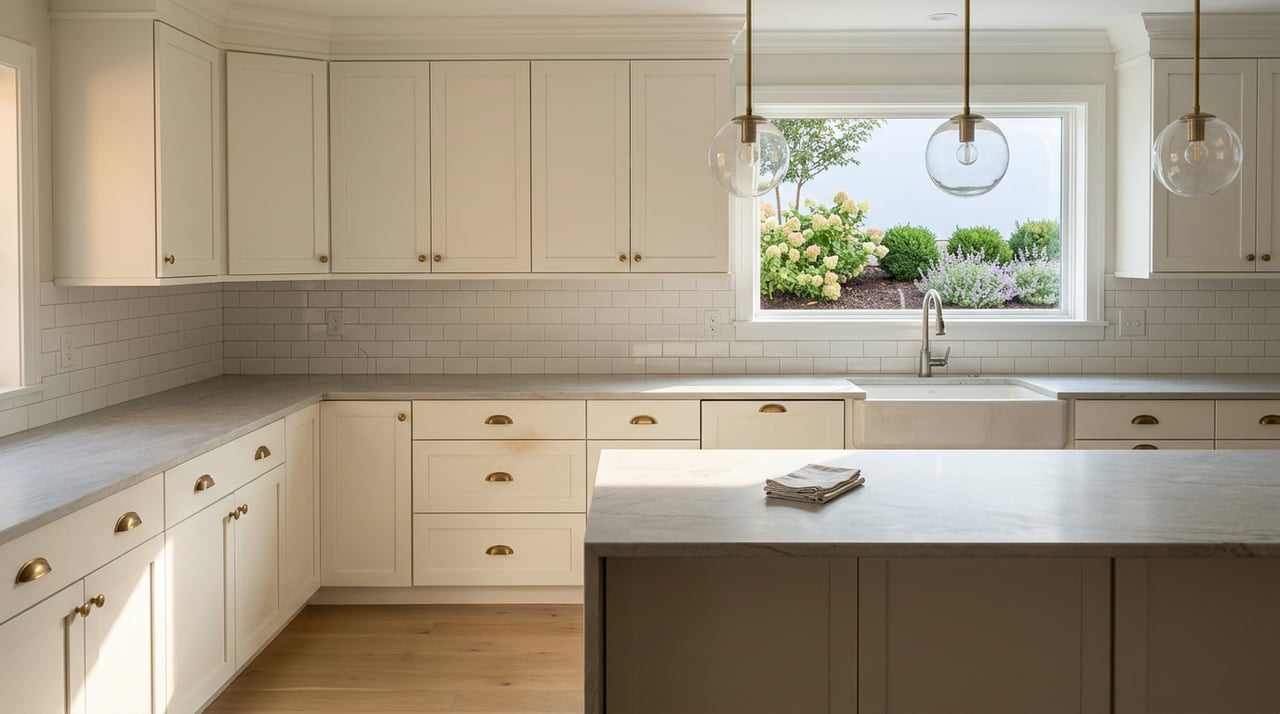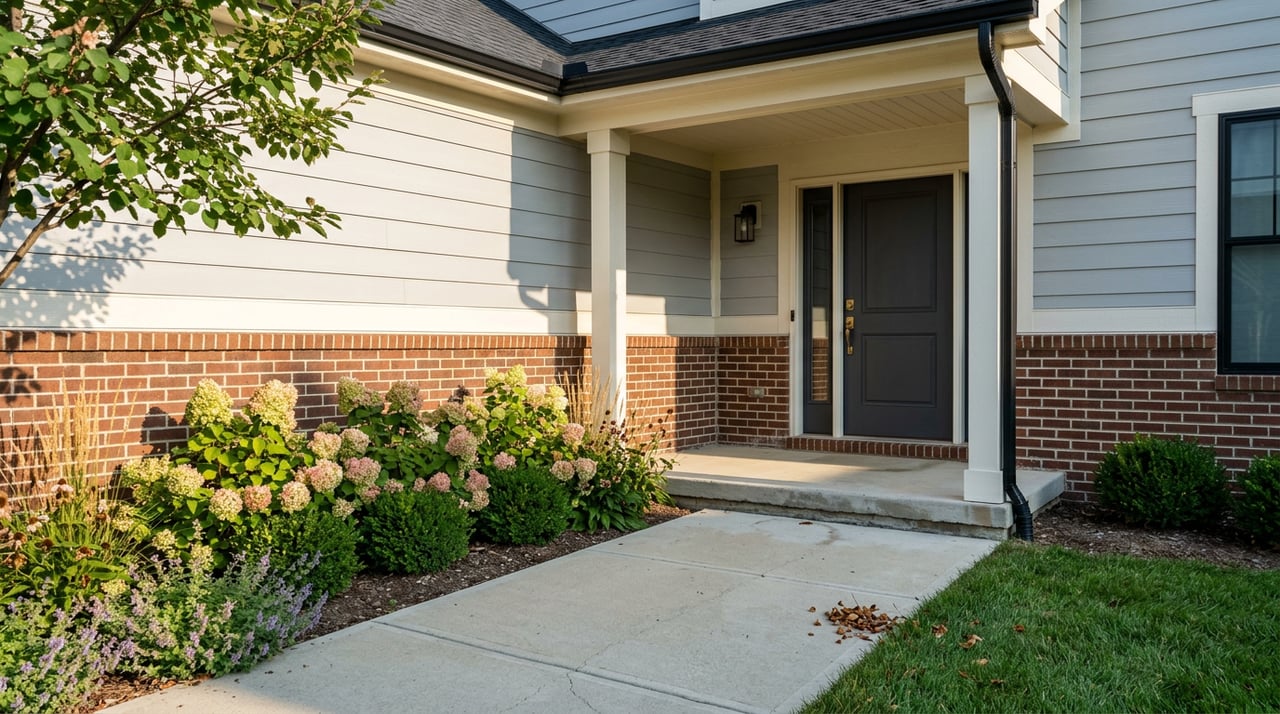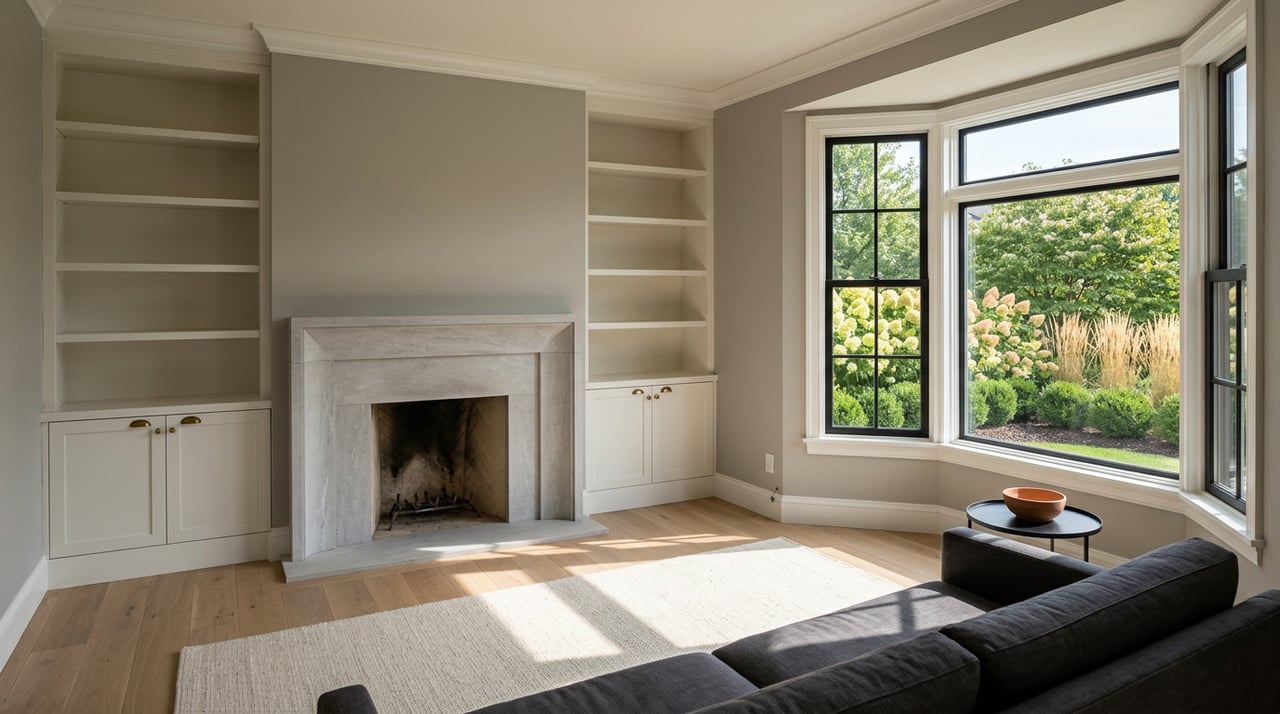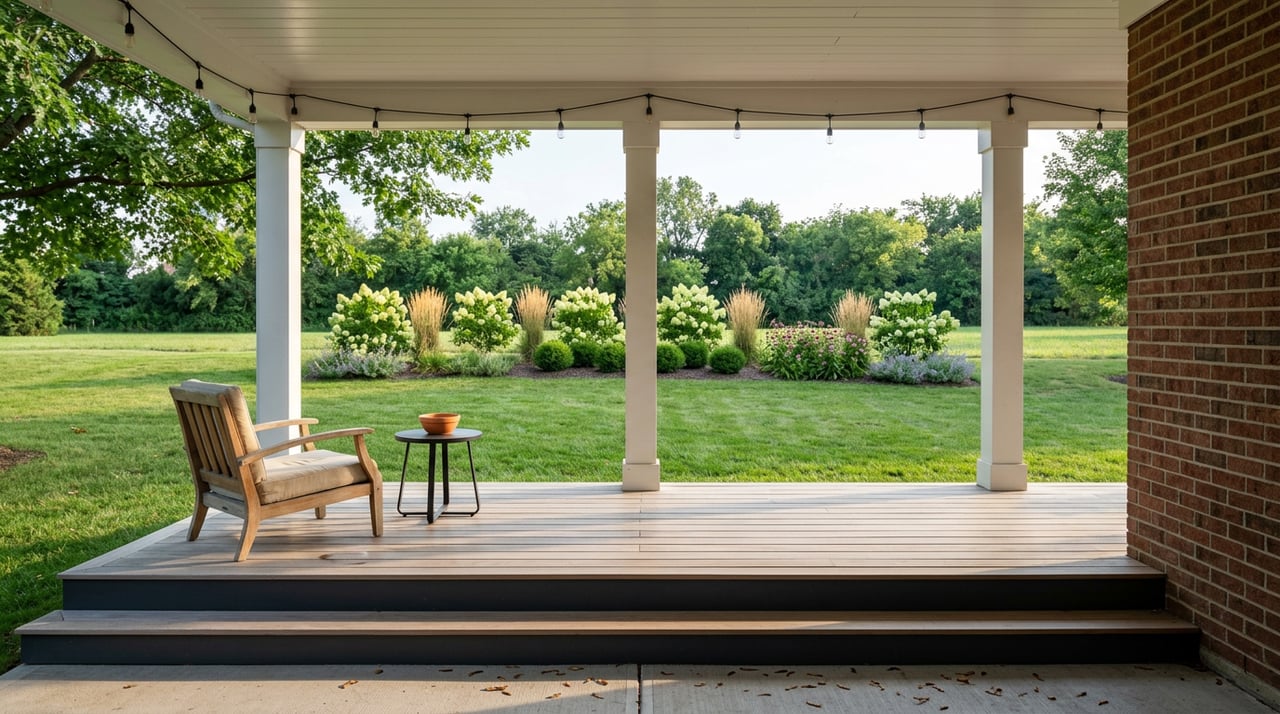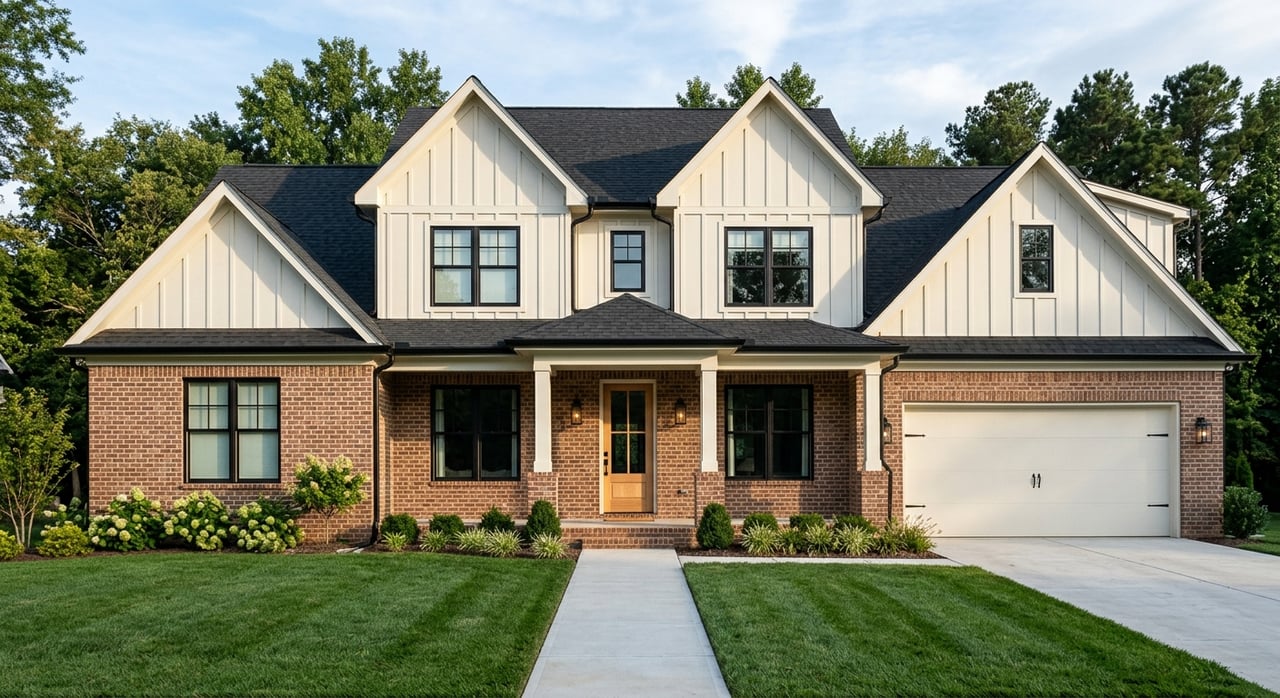
Trying to choose between a brand-new home and an older one in Frankfort, IL? It is a common question, and the answer is rarely just about age. You are really weighing lifestyle, maintenance, layout, setting, and long-term value in a market shaped by both newer subdivisions and established historic character. If you want a clearer way to compare your options before you buy, this guide will help you sort through the tradeoffs. Let’s dive in.
Frankfort’s Housing Mix
Frankfort gives you a mix that many suburbs do not. The village has newer suburban development, established neighborhoods, and a historic core with a distinct identity. That creates real choice for buyers who want either turnkey convenience or more architectural character.
The local housing backdrop helps explain why this comparison matters. ACS 2024 data puts Frankfort at 20,651 residents, with a median household income of $154,375 and a median owner-occupied home value of $481,200. Esri’s 2024 profile shows 94.3% owner occupancy, which suggests a market shaped largely by long-term homeowners rather than frequent turnover.
Frankfort also leans newer overall than some nearby communities. Homes.com lists the median year built as 2012, along with a median lot size of 17,859 square feet. In practical terms, that means you are shopping in a village where newer homes are common, but older pockets still stand out for setting and style.
What Newer Homes Offer
If you want a home that feels current from day one, newer construction can be appealing. In Frankfort, newer homes often come with modern systems, more standardized layouts, and lot sizes that still feel comfortably suburban. You may also find fewer immediate repair concerns in the first few years.
Village development packets show that newer subdivisions are often built with clear lot and setback standards. One 2024 proposal described single-family lots averaging about 16,110 square feet, with 30-foot front yard setbacks. A 2025 village packet also shows approval of Sleeman Estates Subdivision, reinforcing that new residential development is still part of Frankfort’s housing picture.
That matters because newer does not necessarily mean squeezed in. In Frankfort, newer homes are often on code-driven lots that remain fairly generous. If you like open neighborhood layouts near the village edge, that may fit your goals.
Modern Layouts and Systems
Newer homes are more likely to feature the layouts many buyers expect today. That often means open main living areas, more consistent room flow, and systems built to current construction standards. If you want less guesswork and fewer early updates, that can be a major benefit.
This layout difference is partly an inference from local development patterns and design standards. New subdivisions tend to favor more uniform plans, while older homes in established areas often reflect earlier design preferences or later additions. For some buyers, that difference is about convenience. For others, it is about personality.
Warranty and HOA Considerations
New construction can also come with warranty coverage, which may lower your near-term repair risk. The research report notes that builder warranties commonly cover about one year for workmanship and materials, two years for systems such as HVAC, plumbing, and electrical, and sometimes up to 10 years for major structural defects. That does not remove all risk, but it can give you more predictability.
Planned subdivisions may also include a homeowners association. In many cases, HOAs help manage shared expenses such as landscaping and maintenance. That can be helpful if you want a more managed neighborhood environment, but it also means you should review monthly costs, rules, and expectations before you commit.
What Older Homes Offer
Older homes in Frankfort often appeal to buyers who care more about character, streetscape, and a mature setting than about having the newest finishes. In and near the historic core, the draw is often the feel of the neighborhood as much as the house itself. If that matters to you, an older home may offer something newer construction cannot easily replicate.
Frankfort’s older core has a strong preservation identity. The village’s historic resources survey says the downtown survey area reflects nearly 170 years of development, and the official zoning map includes an H1 Historic District. The village also uses downtown residential design guidelines to support rehabilitation and compatible changes that preserve historic character.
That creates a different homebuying experience. You may be looking at homes that reflect older architectural styles, more established streets, and a stronger visual connection to downtown Frankfort. For many buyers, that sense of place is the main advantage.
Character and Streetscape
Village planning documents offer clues about what defines older neighborhood character in Frankfort. The 2040 plan checklist favors homes that fit surrounding scale, define the entry clearly, and use porch depth or facade depth in ways that support the streetscape. A 2025 packet reviewing a Maple Street project also noted that some newer design choices, like an attached garage and a wider driveway, did not align with downtown historic norms.
The same materials point to preferred styles such as Victorian, Craftsman, Colonial Revival, American Foursquare, American Bungalow, and Folk Victorian. You do not have to be an architecture expert to feel the difference. These homes often offer visual detail and neighborhood continuity that can feel more distinctive than a newer subdivision plan.
Mature Setting and Downtown Identity
An older Frankfort home may also place you closer to tree-lined streets and the village’s historic core. The research report suggests a lifestyle contrast between edge-of-town subdivisions with a more open, pastoral feel and established areas with stronger architectural continuity. Neither is better for everyone, but they offer very different day-to-day experiences.
If you picture yourself valuing setting and context as much as square footage, this is where older homes can stand out. You may trade some modern features for a more rooted neighborhood feel. That trade can be well worth it if character is high on your list.
Maintenance Is Often the Biggest Divider
For many buyers, maintenance becomes the deciding factor. A lower purchase price on an older home can look appealing at first, but total ownership cost matters more than sticker price alone. Systems that have had more time to age may need more attention, more budgeting, or both.
The research report points to home inspection guidance as especially important here. An independent inspection can surface major issues that affect both closing and future costs. In an older home, careful review of the roof, HVAC, plumbing, electrical, windows, insulation, and drainage becomes especially important because those systems may be much farther along in their life cycle.
By contrast, newer homes often feel lower-risk in the early years because of newer systems and possible warranty coverage. That does not mean maintenance disappears. It simply means your short-term repair outlook may be easier to predict.
Layout and Daily Living
The way a home lives day to day can be just as important as its condition. Newer homes in Frankfort are more likely to favor open layouts and a more standardized room flow. If you entertain often or want connected kitchen and living spaces, that setup may feel more natural.
Older homes may offer a more compartmentalized layout, and some may include additions or one-of-a-kind floor plans. That can be charming, but it may also mean compromises depending on how you use the space. The key is to think honestly about how you live, not just how a home looks during a showing.
Think About Resale in Context
Resale is not about picking the “right” age of home. In Frankfort, the better resale choice is often the home that fits its segment well. That could mean an updated older home in a desirable established setting or a newer home with modern finishes and low-maintenance appeal.
Frankfort’s high owner-occupancy rate suggests a market with many long-term residents. At the same time, village records show continued support for both historic preservation and new subdivision growth. That points to demand for both styles of housing, which means your best move is to buy the home type that aligns with your budget, priorities, and timeline.
A Simple Decision Framework
If you are stuck, use this short framework to narrow your choice.
Choose a Newer Home If You Want
- Fewer immediate repair concerns
- Newer HVAC, plumbing, and electrical systems
- A more open or standardized floor plan
- Possible builder warranty coverage
- A subdivision setting with organized lot standards
- Comfort with reviewing HOA fees and rules if applicable
Choose an Older Home If You Want
- More architectural character
- A mature neighborhood setting
- Stronger connection to downtown Frankfort’s historic identity
- A home with a less uniform look and feel
- Willingness to budget for updates or repairs
- A streetscape where context and curb appeal play a bigger role
Compare Total Ownership Cost
Before you decide, compare more than the list price. Think about:
- Expected repairs in the first 1 to 5 years
- Warranty coverage on a newer home
- HOA dues if the home is in a planned subdivision
- Renovation costs for an older home
- How much layout changes would cost if the current design does not fit your needs
That side-by-side view often makes the decision clearer. The less expensive home upfront is not always the less expensive home over time.
The Best Choice Depends on You
In Frankfort, newer and older homes both have strong appeal because the village offers real variety. Newer homes often deliver modern layouts, newer systems, and more predictable maintenance. Older homes often offer mature surroundings, distinct architecture, and a stronger connection to the village’s historic character.
The best fit comes down to how you want to live and what tradeoffs you are comfortable making. If you want help comparing neighborhoods, home styles, and long-term costs in Frankfort, the team at Michelle Arseneau can help you weigh your options with local insight and clear guidance.
FAQs
What is the main difference between new and older homes in Frankfort, IL?
- Newer homes in Frankfort tend to offer more modern layouts, newer systems, and possible warranty coverage, while older homes often offer more architectural character, mature streetscapes, and a stronger connection to the historic core.
Are newer homes in Frankfort built on small lots?
- Not necessarily. Local village packets show newer Frankfort subdivisions often use fairly generous suburban lots, with one 2024 proposal averaging about 16,110 square feet per lot.
Do older homes in Frankfort have more maintenance risk?
- Often, yes. Older homes typically need closer review of major systems like roofing, HVAC, plumbing, electrical, windows, insulation, and drainage because those components may have aged over time.
Is an HOA common in newer Frankfort subdivisions?
- It can be. The research report notes that planned subdivisions commonly use HOAs to manage shared expenses such as landscaping and maintenance, so you should review fees and rules carefully.
Which home type has better resale potential in Frankfort?
- It depends on the home and its market segment. In Frankfort, resale can be strong for updated older homes in appealing established settings and for newer homes that offer low maintenance and current layouts.
Should you compare purchase price alone when choosing a home in Frankfort?
- No. A better comparison is total ownership cost, including repairs, warranty coverage, HOA dues, and any renovation work needed to make the home fit your lifestyle.